A postcard from Taiwan As they appear in the bookTaiwan. The Beautiful Island in the Eye of Typhoon

See in Open it!


See the TW postcards on the author's Facebook or help in his crowdfunding efforts.

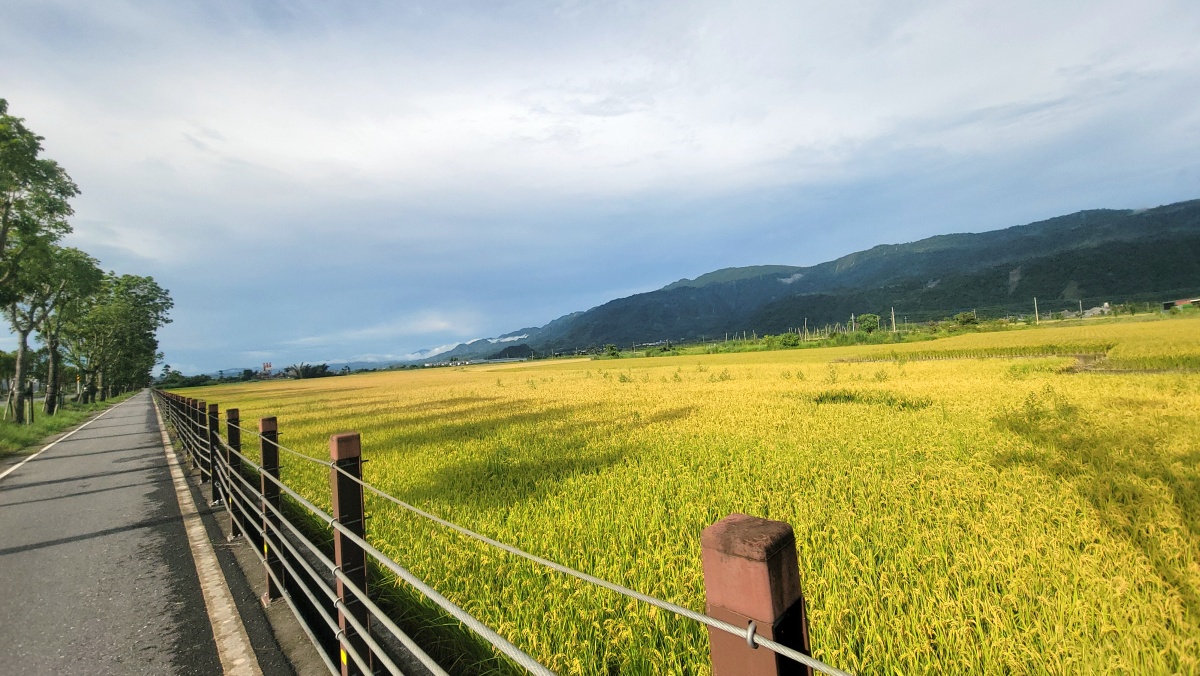
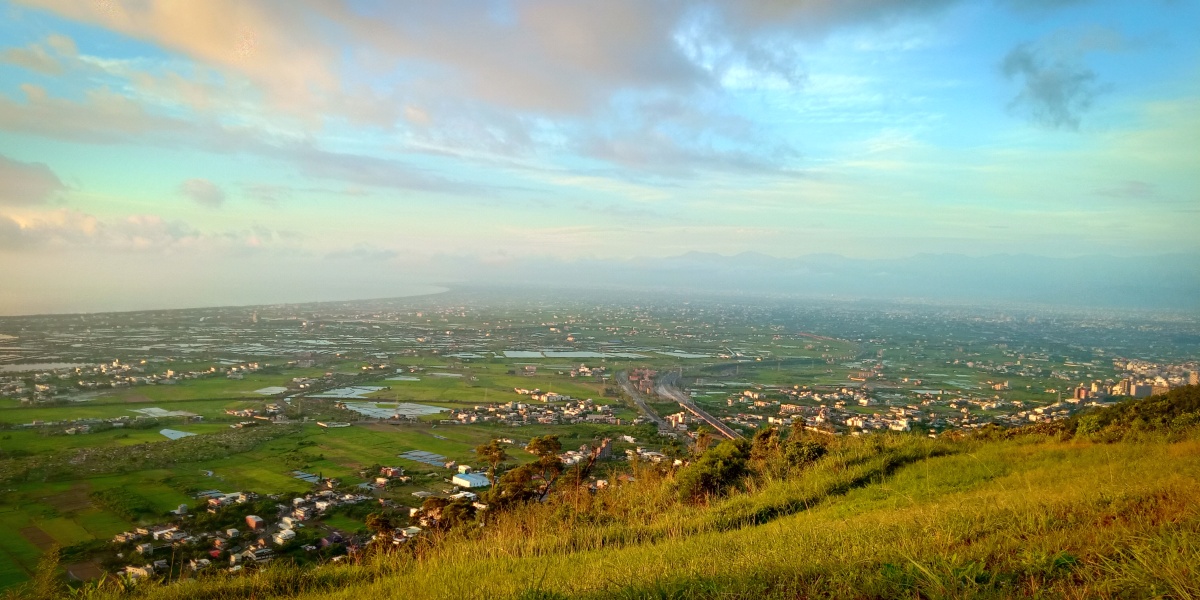
Rice fields at Fuli, in the Rift Valley

See in Open it!


See the TW postcards on the author's Facebook or help in his crowdfunding efforts.

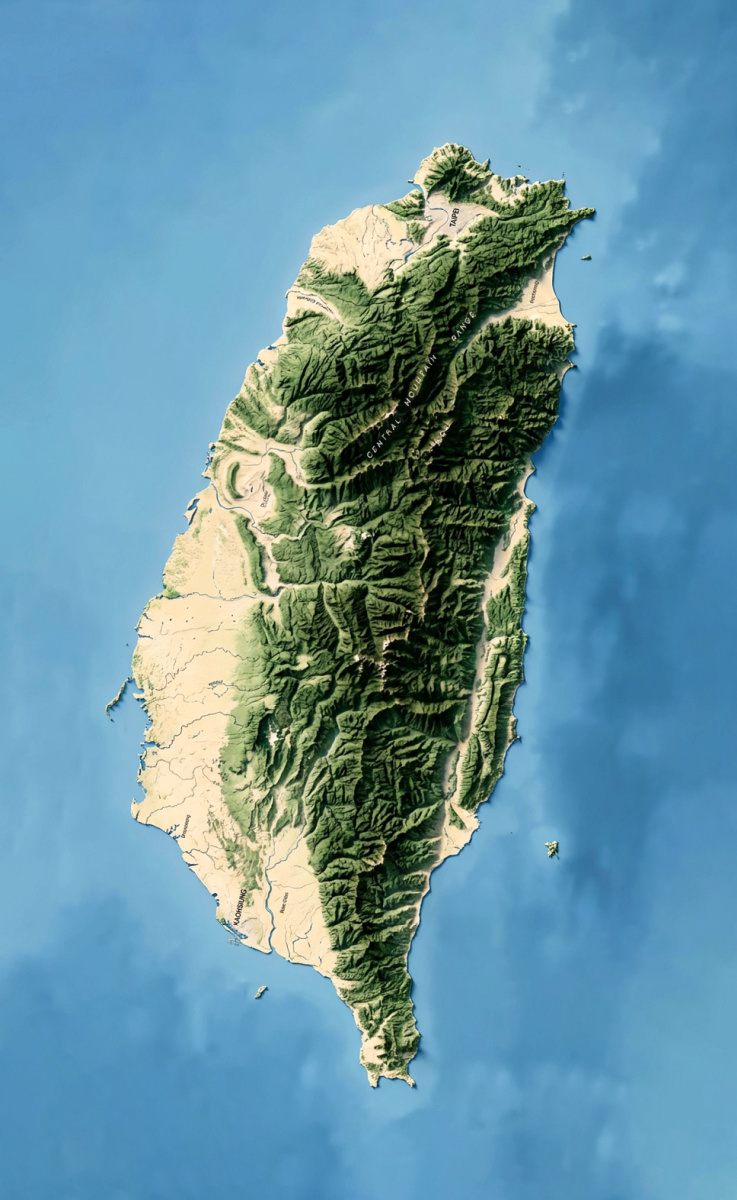
21 Physical map of Taiwan

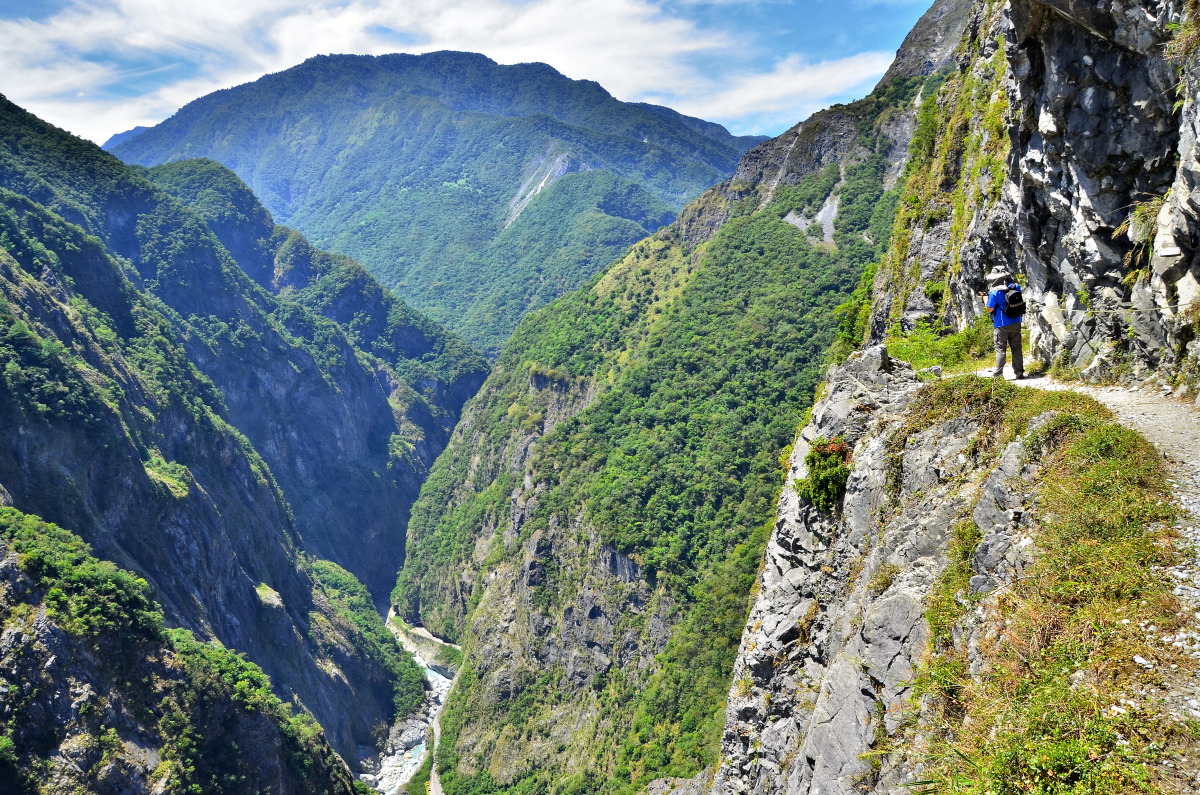
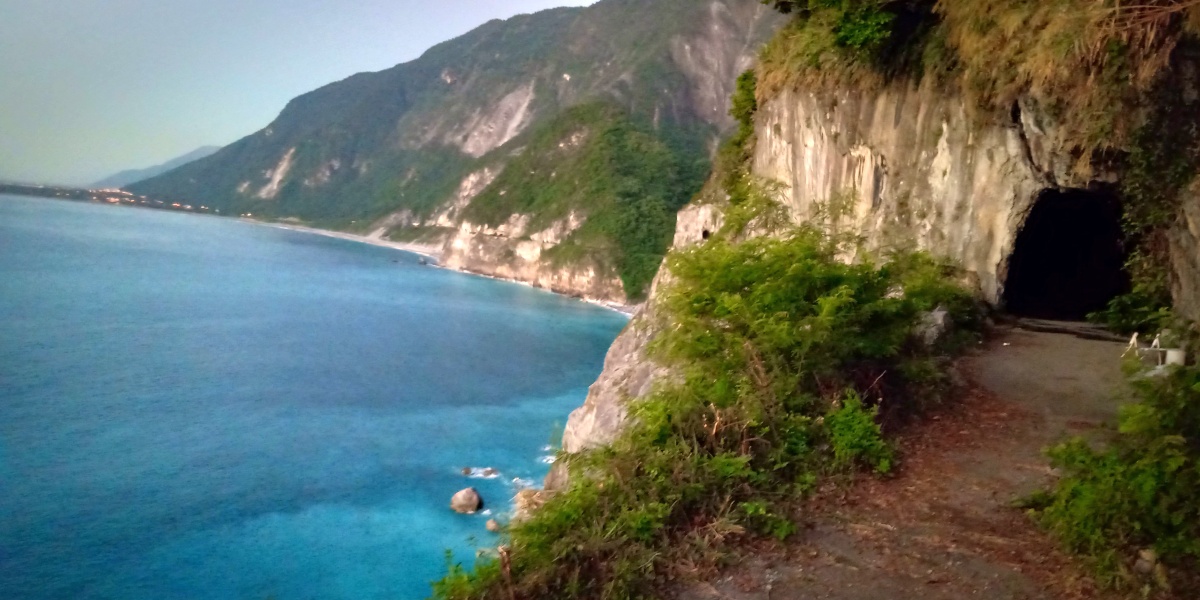
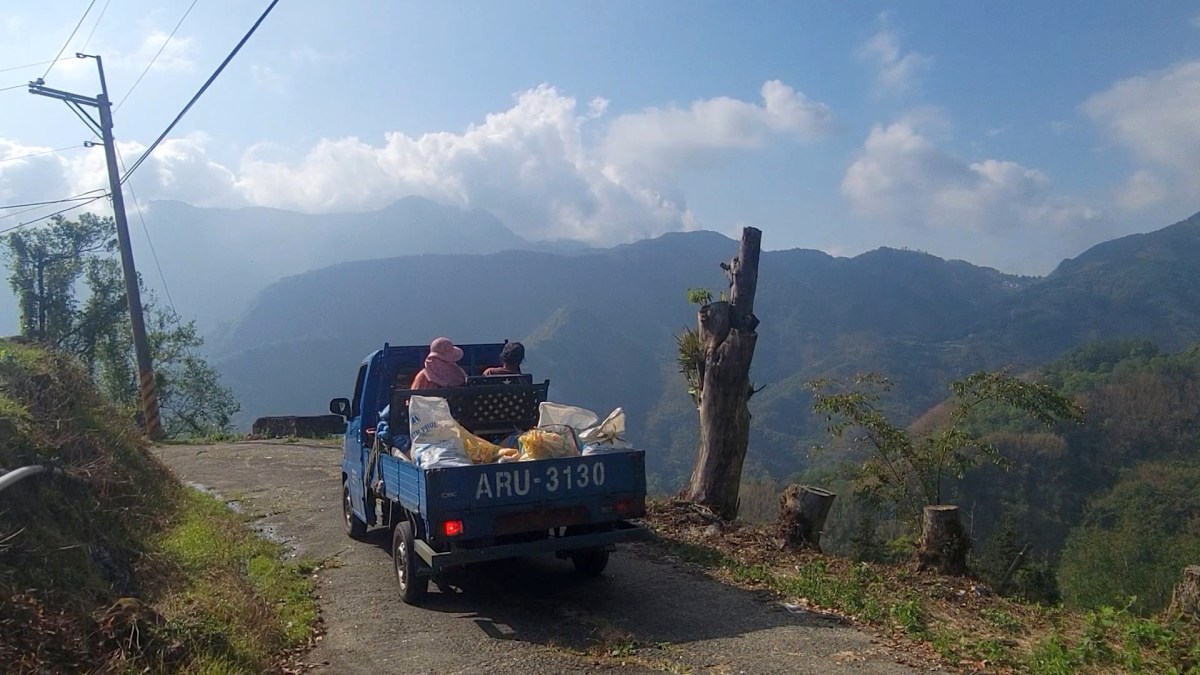
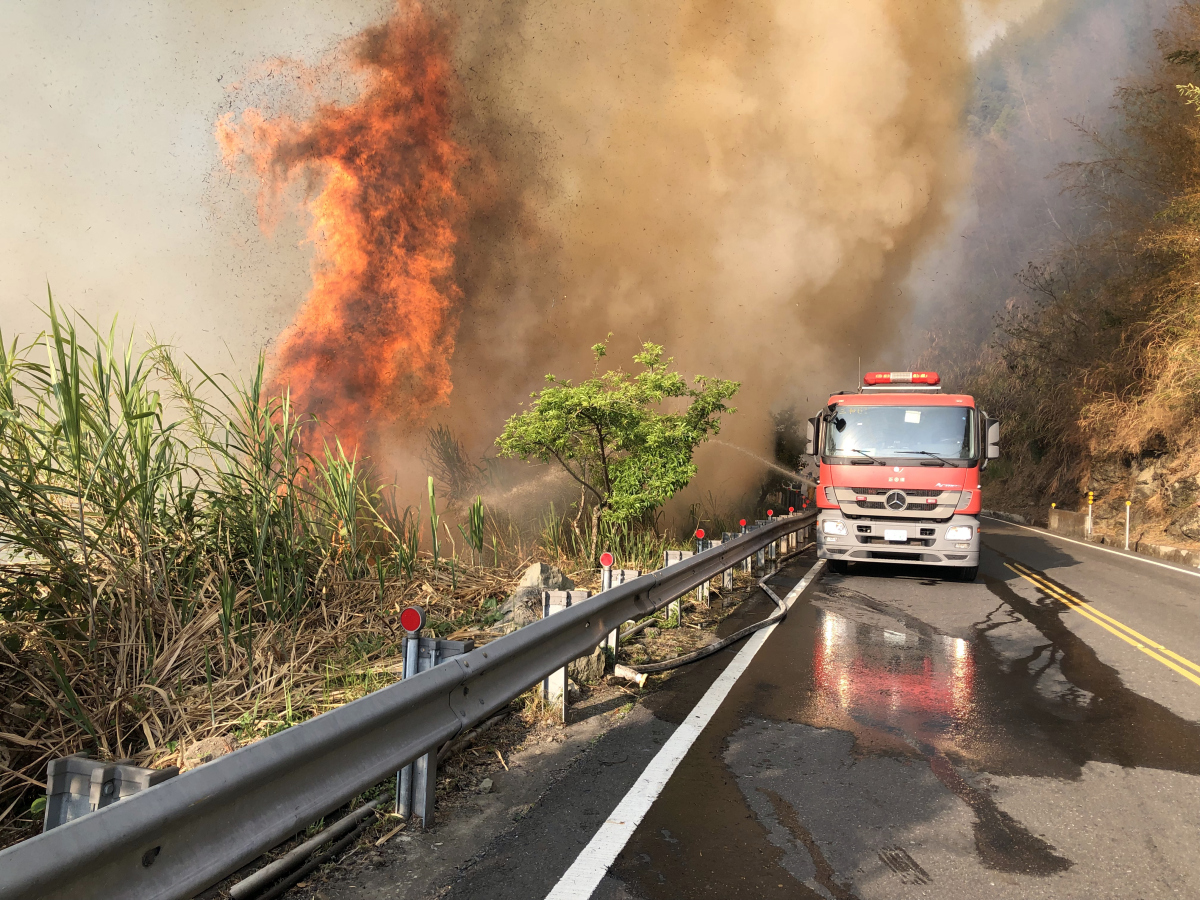
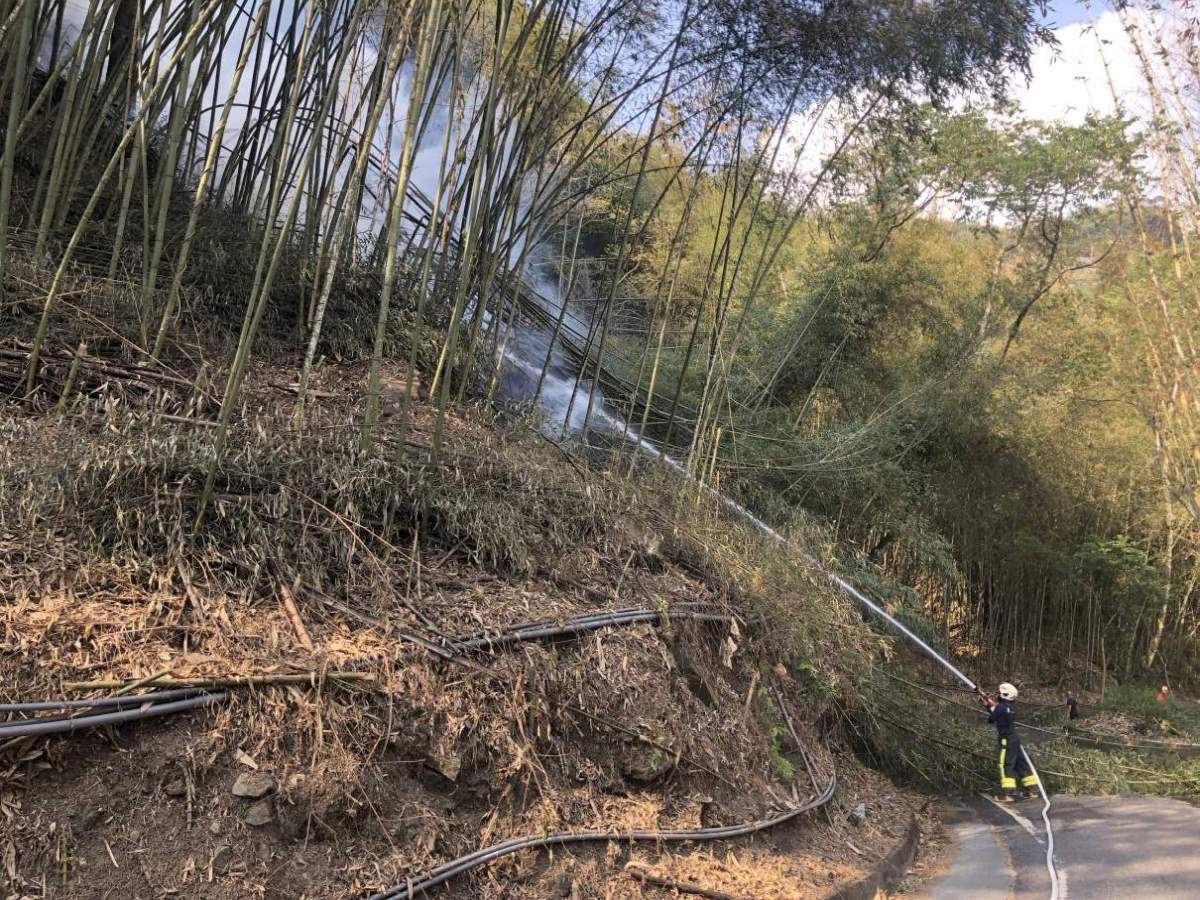
About 70% of the island's surface is high or medium-sized mountains, covered with dense rainforest and, in cultivated areas, bamboo forests. Earthquakes, typhoons, and even heavy rains mean that roads and highways are constantly in need of repair. In my experience, it would take no more than a year of neglect for the entire road network to become completely impassable, leaving residents carrying everything on their backs, as was the case in the 1950s and 1960s.

See in Open it!


See the TW postcards on the author's Facebook or help in his crowdfunding efforts.

See in Open it!


See the TW postcards on the author's Facebook or help in his crowdfunding efforts.

See in Open it!


See the TW postcards on the author's Facebook or help in his crowdfunding efforts.

See in Open it!


See the TW postcards on the author's Facebook or help in his crowdfunding efforts.

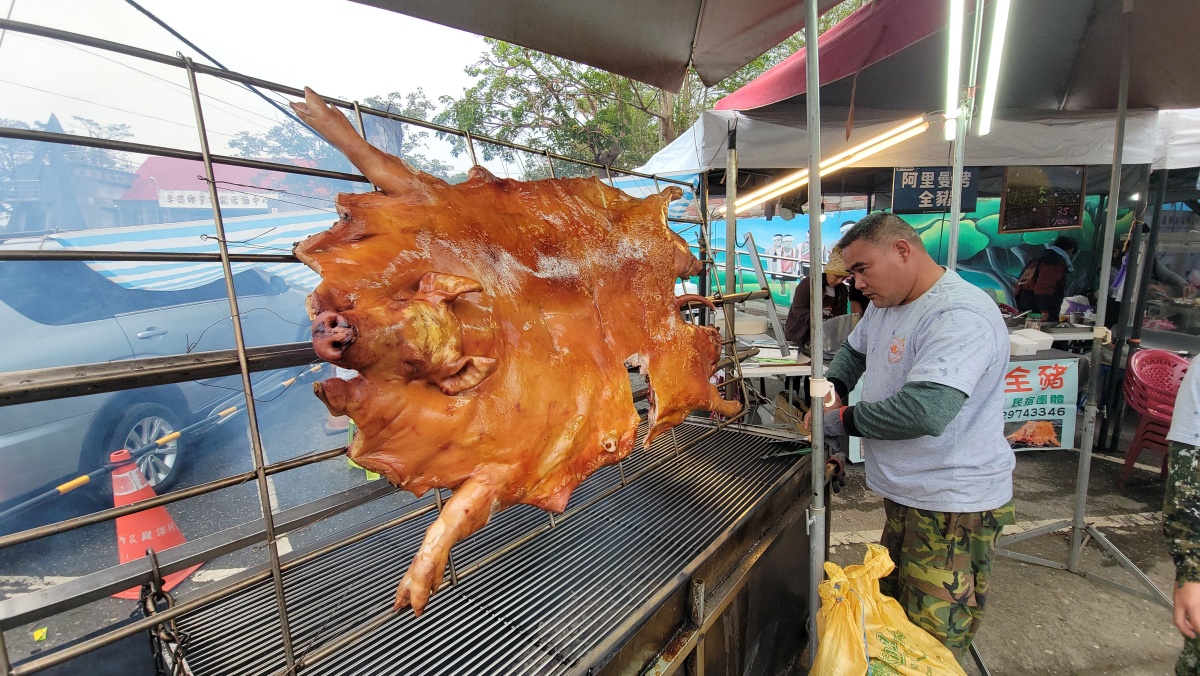
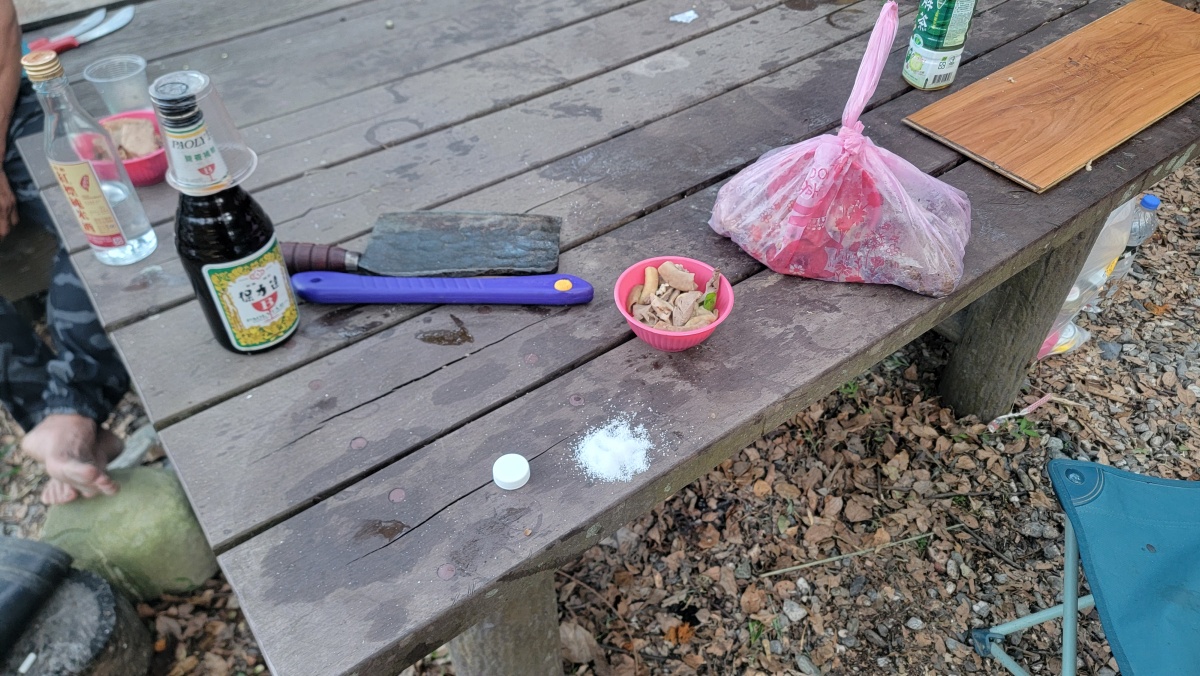
Pig's Ear Shooting Ceremony of Bunun people

This iconic photo captures everything typical and obvious at a festival or barbecue: a knife, salt, grilled pork, Paolyta, a bottle of bitter tea. It hasn't been arranged—the table is as I found it when I visited the festival site the day before.

See in Open it!


See the TW postcards on the author's Facebook or help in his crowdfunding efforts.

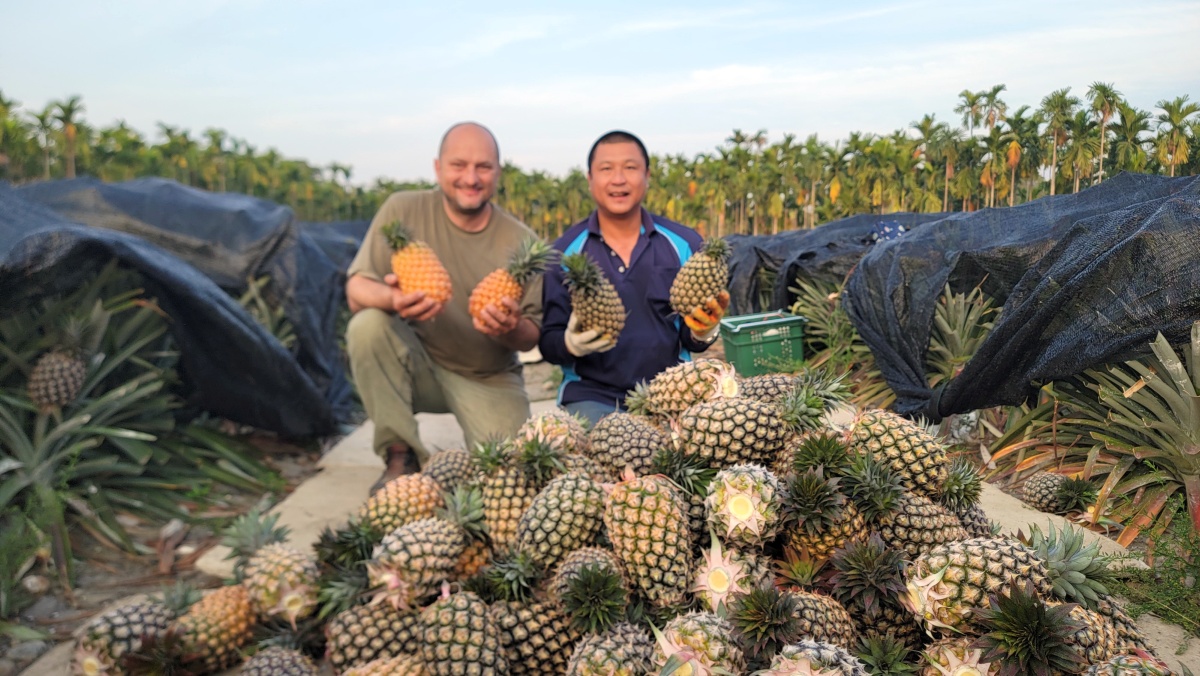
PIneapples in the Pintung area

Another iconic product is pineapples. I might give some of you a culture shock, perhaps even an existential one – pineapples don't grow on trees, but on bushes roughly waist-high. Taiwan has bred dozens of varieties, including the famous "milk pineapple" and "diamond pineapple." A plantation owner who caught me camping in his field while I was on my way to an aboriginal festival will tell you about the specifics of their cultivation. Mr. Chen grows pineapples in their heartland, the Pingtung area. It's not an easy piece of bread (rice) – the margins on purchases are razor-thin. The bush grows for 16–24 months. While it can produce a second crop, the fruit is smaller and therefore unsaleable. An interesting episode was China's suspension of pineapple imports in 2021. It was interpreted as punishment for the assumption of power by President Tsai Ing-wen of the Democratic People's Party (DPP). At the time, as much as 90% of Taiwanese pineapple exports were going to China. The punishment backfired… spectacularly. President Tsai initiated a social media campaign encouraging Taiwanese people to eat more pineapples. Japan joined the effort. Within just four days of announcing the boycott, foreign (mainly from Japan) and domestic orders exceeded the total amount of pineapples originally intended for China – over 40,000 tons. My joke that growers should regularly contribute to the CCP's red envelope, for which Mr. Chen dismissed the phrase "partially ridiculous" for engaging in similar campaigns more frequently. The joke intentionally touched on the sensitive political issue of imports to the PRC being interpreted as, and in fact, a form of CCP influence on the outcome of the democratic process on the island. The idea is to increase the volume of purchases in order to "revitalize" the agricultural electorate of the Kuomintang, which is accused by its political rivals of collaborating with the communists from Beijing.

See in Open it!


See the TW postcards on the author's Facebook or help in his crowdfunding efforts.

Coffee picking is no small feat, as almost the Laocoön Group

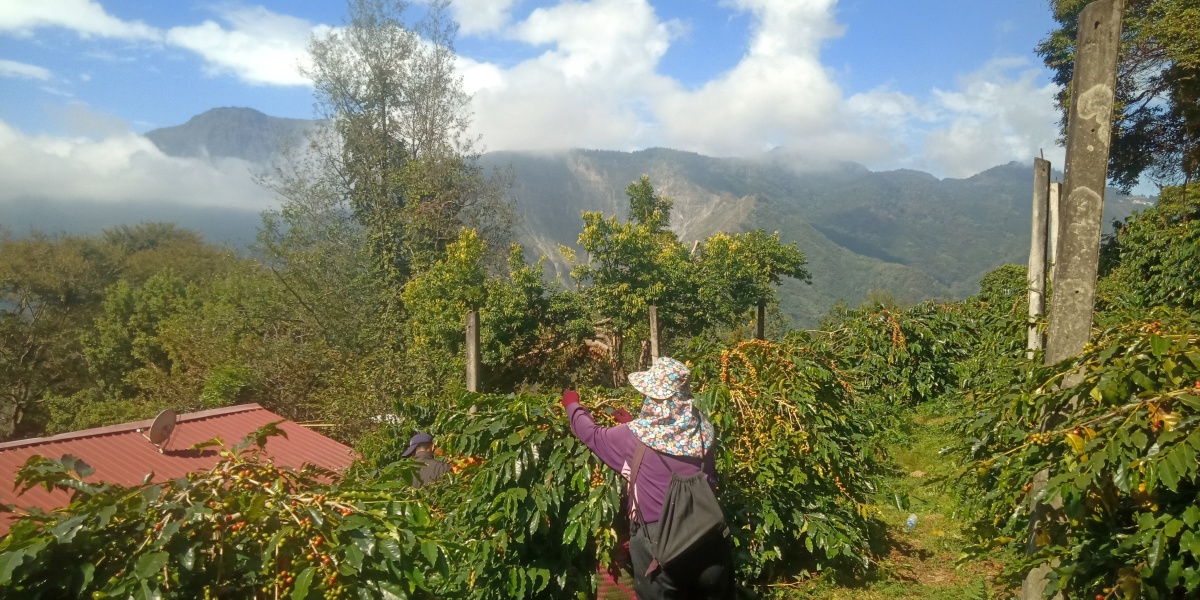
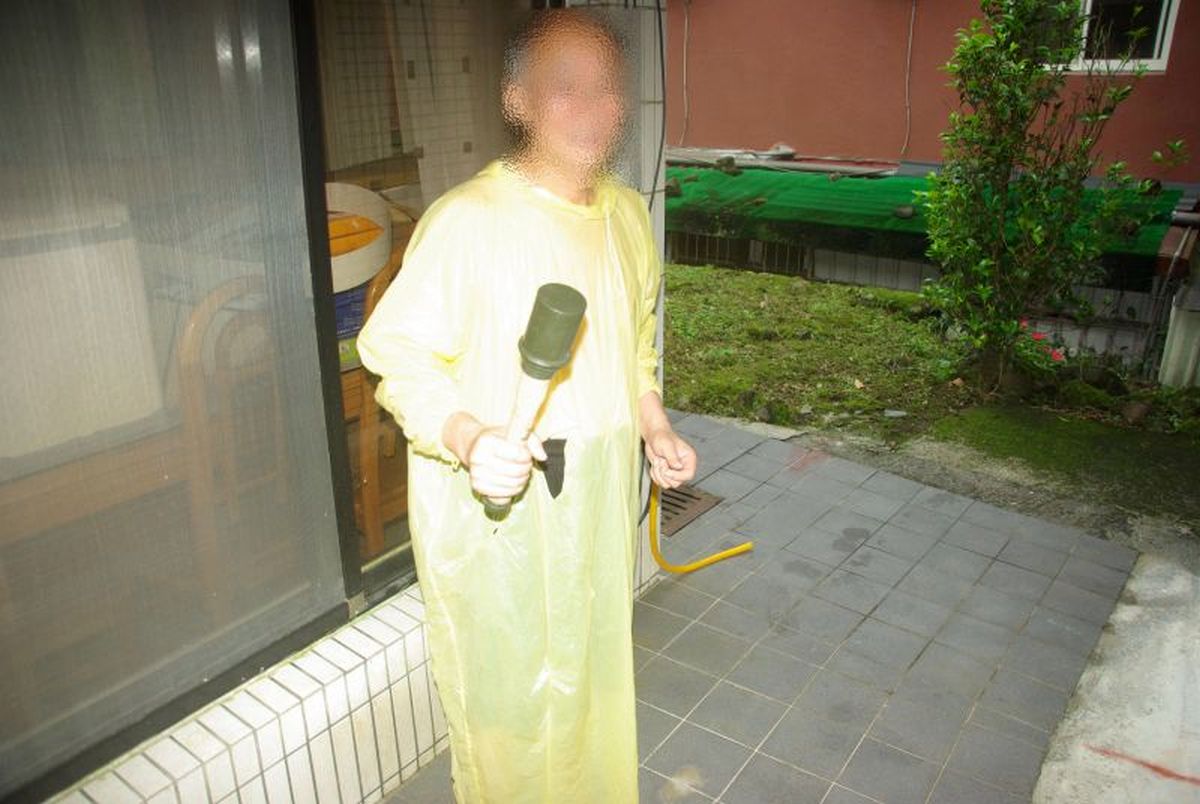
More than once, I've joined teams picking tea leaves and coffee cherries. Both activities carry risks. To cut tea branches, you need to attach incredibly sharp razor blades to your index finger using a band-aid. A moment of distraction for the untrained can result in a cut. I gave up tea picking after an incident in which I almost severed my fingertip. Pickling coffee cherries presents a completely different challenge. Snakes, including some venomous ones, like to hide in the crowns of trees about 2 meters high. After twice finding a molt in the thicket of twigs, I tightened my preventative measures. Snakes are frightened by the sound of human activity. The trick is to give them an opportunity to escape – although I'm not sure that's the right word. A good way is to stomp your feet loudly while walking, and call out to others... My own solution was to listen to movie music through a loudspeaker – mainly Star Wars. And here's some news for you! After a few days of working together, an elderly woman in her seventies learned to recognize John Williams' style and distinguish it from the rather similar music from Basil Poledouris's Starship Troopers, which I listened to on rotation. Respect. Coffee Picking with a Million-Dollar View. Fortunately, snakes in Taiwan aren't aggressive – but you still need to be careful. When picking coffee, you should be especially careful in the row of trees closest to the forest edge, but this isn't always the case. A safety measure used by locals is to bang on the treetops when they appear in a coffee orchard. However, often no one bothers to do this. I've only had a few confrontational encounters with a live snake. He was sitting (I know he was "lying") in a tree just closest to the jungle. When I parted the outer branches, he looked at me, and I at him. He was about 150 cm long, with a head the size of a man's thumb, so he was small. He wasn't (probably) venomous. Venomous snakes have a triangular head. The snake calmly turned around and headed towards the forest, and I slowly let go of the parted branches. Just then, I was the first person to enter the coffee orchard, somewhere far away, a few kilometers from the tribe. In a group of a few people, there was a minimal stir. We shook the branches off two rows of trees... and that was it. Off to work! I had a similar experience on another occasion – while picking beans. I was the one who spotted the tiny snake again, slightly larger in diameter than a cigarette. None of the other people dared to catch the reptile. The owner of the vegetable garden called a man who wasn't afraid. The guy came, took a look, grabbed the terrified snake, walked away with it a few dozen meters, and rudely threw it into the roadside thicket. And that was it. Speaking of snakes, I'll tell you the best story. I call it "Frequent washing shortens life." In 2012, I lived in a building right on the edge of the forest. I was sponge-washing the front door frame… when I saw a snake rushing towards me at high speed, chased by the property owner. The snake didn't see me in time… and it darted in. For a second, I was in a cubic meter with a panicked, two-and-a-half-meter-long reptile! I didn't even have time to be scared. My processor resolution was just enough for utter astonishment. The snake hid behind a bookshelf. Luckily, the owner had experience. With some difficulty, he pulled the snake out by its tail, carried it out, and threw it into the bushes a few dozen meters from the building. It smelt its scales for the next two days.

See in Open it!


See the TW postcards on the author's Facebook or help in his crowdfunding efforts.

See in Open it!


See the TW postcards on the author's Facebook or help in his crowdfunding efforts.

See in Open it!


See the TW postcards on the author's Facebook or help in his crowdfunding efforts.

See in Open it!


See the TW postcards on the author's Facebook or help in his crowdfunding efforts.

See in Open it!


See the TW postcards on the author's Facebook or help in his crowdfunding efforts.

See in Open it!


See the TW postcards on the author's Facebook or help in his crowdfunding efforts.

See in Open it!


See the TW postcards on the author's Facebook or help in his crowdfunding efforts.

See in Open it!


See the TW postcards on the author's Facebook or help in his crowdfunding efforts.

See in Open it!


See the TW postcards on the author's Facebook or help in his crowdfunding efforts.

See in Open it!


See the TW postcards on the author's Facebook or help in his crowdfunding efforts.

See in Open it!


See the TW postcards on the author's Facebook or help in his crowdfunding efforts.

See in Open it!


See the TW postcards on the author's Facebook or help in his crowdfunding efforts.

See in Open it!


See the TW postcards on the author's Facebook or help in his crowdfunding efforts.

See in Open it!


See the TW postcards on the author's Facebook or help in his crowdfunding efforts.

See in Open it!


See the TW postcards on the author's Facebook or help in his crowdfunding efforts.

See in Open it!


See the TW postcards on the author's Facebook or help in his crowdfunding efforts.

See in Open it!


See the TW postcards on the author's Facebook or help in his crowdfunding efforts.

See in Open it!


See the TW postcards on the author's Facebook or help in his crowdfunding efforts.

See in Open it!


See the TW postcards on the author's Facebook or help in his crowdfunding efforts.

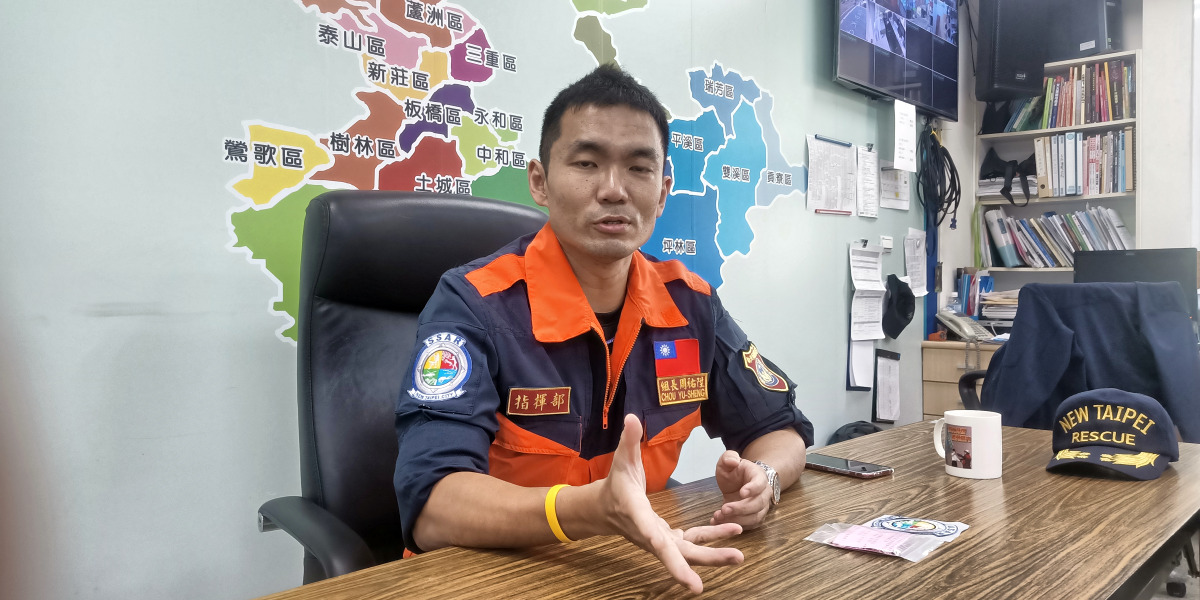
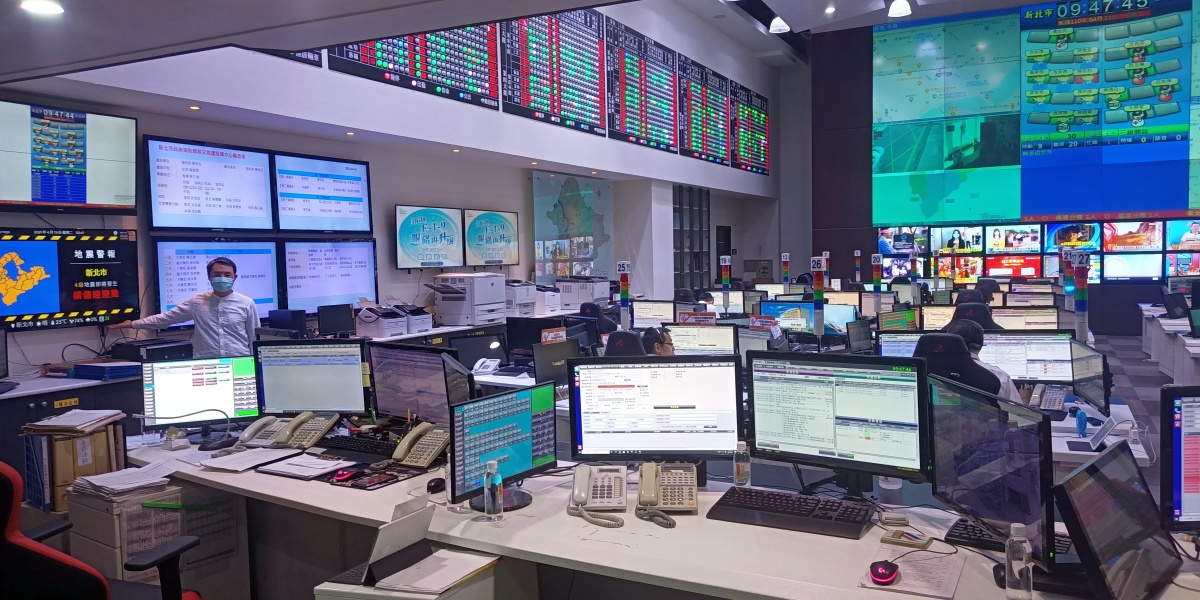
Emergency and Rescue Command Center in Xinbei City

See in Open it!


See the TW postcards on the author's Facebook or help in his crowdfunding efforts.

See in Open it!


See the TW postcards on the author's Facebook or help in his crowdfunding efforts.

See in Open it!


See the TW postcards on the author's Facebook or help in his crowdfunding efforts.


Autor zaprasza

Dołącz do Patronite

Do tej pory wyjazdy fotograficzne to ponad 70 000 USD. Wesprzyj kolejne wyprawy tutaj, a z Tajwanu tutaj.
Książka-album

Już w 2026 roku pojawi się album z opowieściami i dziesiątkami portretów. Zamów powiadomienie tutaj.
Książka

To 240 ilustracji i 750 stron fascynujących opowieści, spostrzeżeń i refleksji o Tajwanie prezentacja, kup e-book.
Pakiety reprodukcji A3

Autor zaprasza do zakupu pakietu 18 fotografii tutaj.